Neura Robotics Partners With SECO to Scale Physical AI
German startup Neura Robotics has partnered with Italy's SECO to build decentralized compute modules for its humanoid robots, accelerating the deployment of physical AI across Europe.
German robotics developer Neura Robotics is teaming up with Italian technology provider SECO to design and manufacture advanced compute modules for its cognitive machines. Under the agreement, SECO will produce hardware utilizing Qualcomm Dragonwing processors to power Neura's decentralized computing architecture. This setup, which Neura calls Smart Limbs, distributes processing power directly to the robot's joints and sensors rather than relying on a single centralized computer, allowing for faster local decision-making and reduced latency.
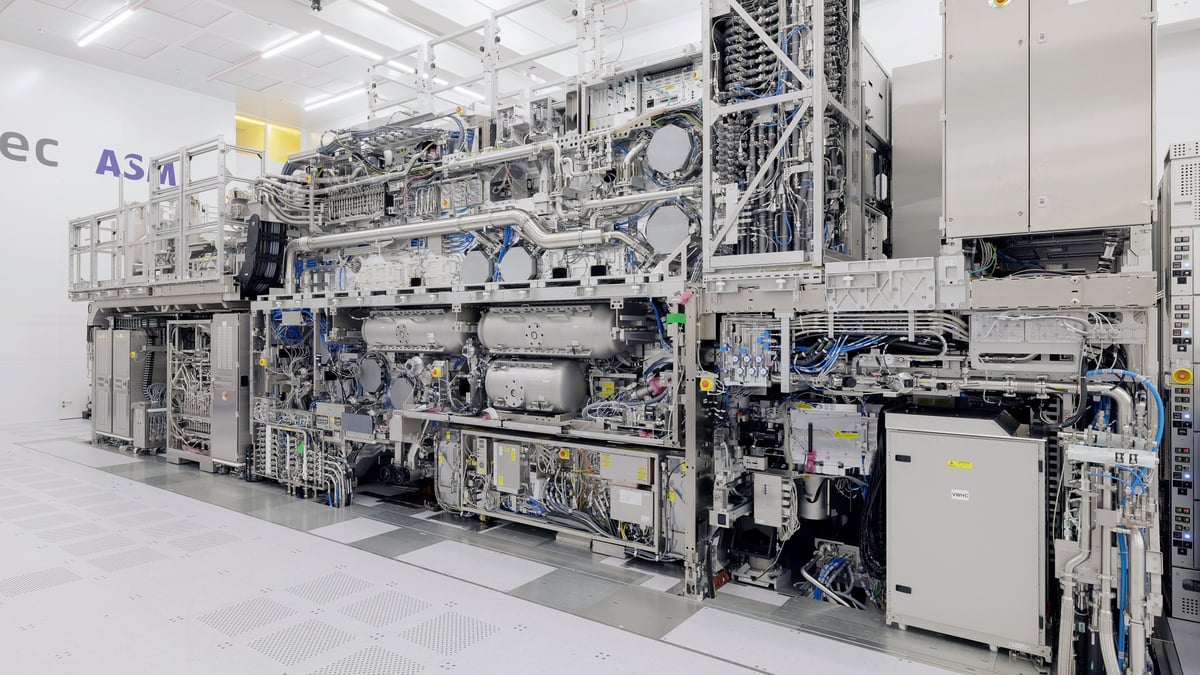
The collaboration will initially focus on creating modules for Neura's humanoid systems, including its 4NE1 domestic robot. Beyond consumer robotics, the two companies plan to develop physical AI applications tailored for semiconductor and electronics manufacturing, aiming to build standardized automation systems for global industrial markets.
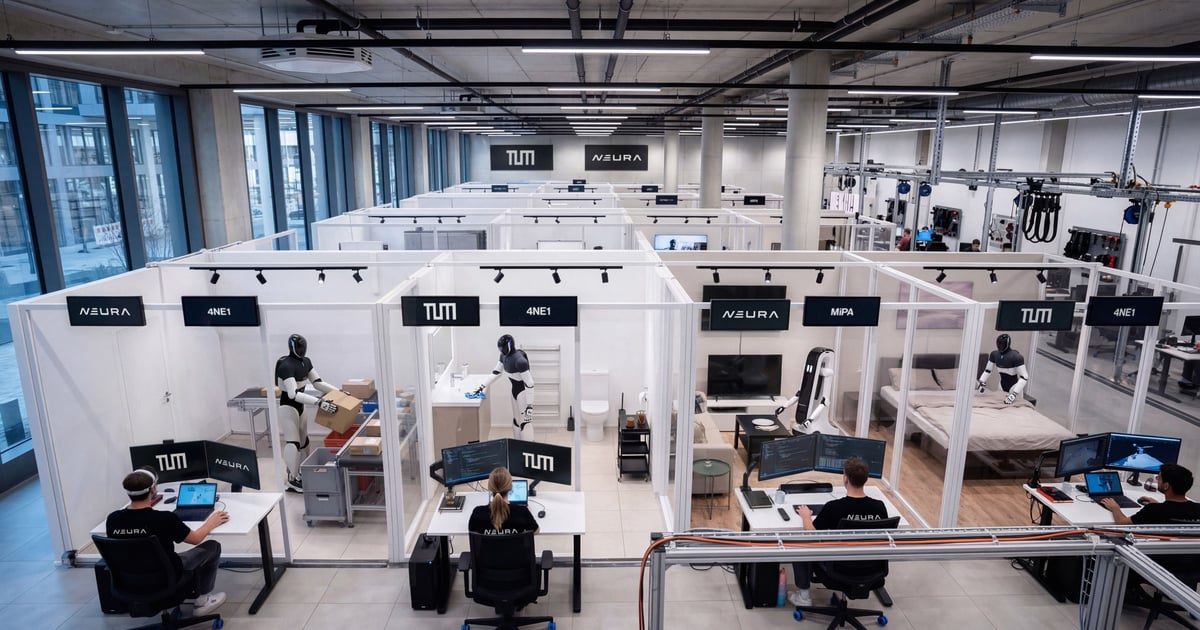
This partnership follows a massive $1.4 billion funding round completed by Neura in June, which drew backing from major tech players including Nvidia, Amazon, and Qualcomm. To support its rapid expansion, Neura launched several robot gyms in July to generate high-fidelity simulation and physical training data. This data feeds directly into the Neuraverse, the company's proprietary platform for connecting developers and robots. As part of the new alliance, SECO and Neura will establish a new Neura Gym in Italy, marking the startup's first training facility in Southern Europe.
For robotics developers and industrial engineers, this decentralized hardware approach represents a significant shift in how physical AI is deployed. By offloading computation to localized nodes near physical points of interaction, practitioners can design robots that react more fluidly to dynamic environments. Furthermore, the expansion of localized training gyms addresses the persistent bottleneck of real-world training data, making it easier for European enterprises to train and deploy humanoid systems in complex manufacturing settings.
This is our own summary of reporting by AI Business